This is a post I’ve been meaning to write for a while, but it’s come up again recently in light of walking worm habitat Robert Kennedy Jr. being nominated to lead the Department of Health and Human Services, which is like putting the fox in charge of the henhouse if the fox also didn’t believe in vaccines and had had part of his brain eaten by worms.
Anyway, among RFK’s litany of very stupid ideas and opinions — and they are legion — is a crusade against “processed food.” Weirdly, this appears to be the one position of his that otherwise sanguine, science-minded people agree on. Even Jared Polis, one of the most outspoken and stridently anti-Trump liberal governors in the country, sided with RFK on that issue:
While opposed to RFK’s positions on a host of issues, including vaccines and banning fluoridation, he would appreciate seeing action on pesticides and efforts to lower prescription drug costs and if Trump is going to nominate someone like him then let them also take on soda, processed food, pesticides and heavy metals contamination.
But here’s the problem: no one seems to agree on what processed food actually is.
Everything is a process
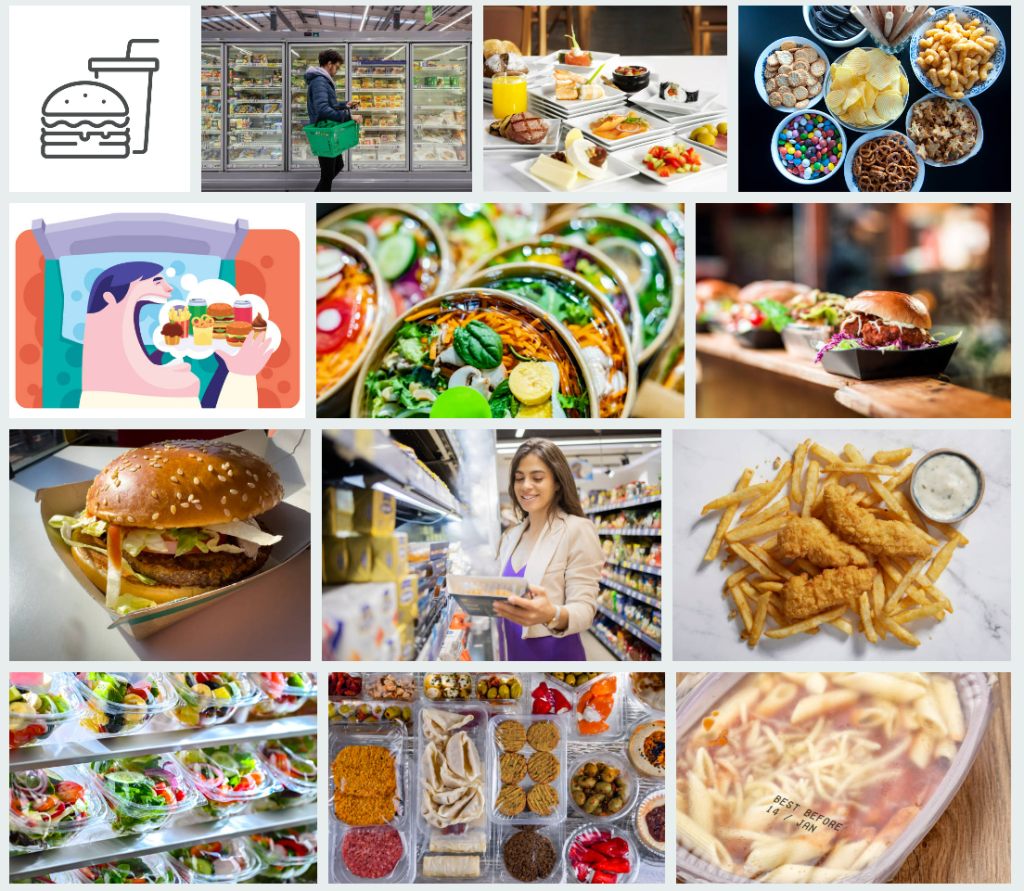
Take a look at this screenshot of the photos that come up when I search iStockPhoto for “processed food.” Besides the obvious miss — the one in the middle is clearly just a salad made of raw vegetables, mushrooms, and an egg — I don’t think most people would disagree with the characterization of the rest of these foods as “processed.”
But look closer. French fries? That’s just potatoes cut up and fried in oil. What exactly is the processing that’s supposed to be so bad for you in this scenario? The cooking part? Is a potato fried in oil inherently less healthy than just a potato with butter on it, and why?
The same goes for a lot of these foods. Potato chips are just potatoes. Pretzels are just flour and salt. A hamburger is just beef and salt. Cheese is just milk. Pasta is flour. Chicken tenders are chicken, flour, maybe egg, and oil. Virtually everything in these photos is made of pretty simple, calorie-dense ingredients, usually fried, with salt added.
That’s not processing, that’s called cooking. And if cooking is the problem, then why isn’t it a problem when you cook other stuff?
I dug deeper, looking at what the experts define as processed foods. The UK’s National Health Service defines a processed food as “any food or drink that has been changed in some way when it’s made or prepared,” which is comically useless. Unless you’re eating unwashed raw vegetables out of the ground, you’re changing your food in some way.
UCLA Health says that “The broadest definition of processed food is any raw commodity that is altered from its natural state,” which is equally useless. They also ask you to consider “whether the groceries are organic or processed,” which is even dumber.
Medical News Today gets a little more specific.
Mechanical processing — such as grinding beef, heating vegetables, or pasteurizing foods — does not necessarily make foods unhealthful. If the processing does not add chemicals or ingredients, it does not tend to lessen the healthfulness of the food.
However, there is a difference between mechanical processing and chemical processing.
Chemically processed foods often only contain refined ingredients and artificial substances, with little nutritional value. They tend to have added chemical flavoring agents, colors, and sweeteners.
Ok, so what we’re worried about is chemically processed foods, not physically processed foods. Got it. What are some examples of that?
- frozen or ready meals
- baked goods, including pizza, cakes, and pastries
- packaged breads
- processed cheese products
- breakfast cereals
- crackers and chips
- candy and ice cream
- instant noodles and soups
- reconstituted meats, such as sausages, nuggets, fish fingers, and processed ham
- sodas and other sweetened drinks
Ok, but…now we’re right back where we started. Freezing a meal is a physical process, not a chemical one. You can’t say that an example of processed food is “processed cheese” without explaining what that process is either, because that’s circular. Crackers are just flour and probably butter. Chips are just potatoes. Ice cream can be made with like three ingredients, mixed together and frozen, none of which have to undergo any chemical change along the way. Sausage is meat ground up with spice. Fish fingers are fish ground up and smushed into rectangles. Sweetening a drink is not a chemical change.
Do you see the problem here? Lots of things that have had a lot of processing done to them, like bread, are not inherently unhealthy. And lots of things that have had little to no processing done to them, like french fries, are unhealthy.
I’ve encountered this in the past, too. In my post about how stupid the paleo diet was and the follow-up inspired by the idiotic comments on the first post, people mentioned processed foods. One idiot boldly proclaimed in the comments,
I don’t even eat paleo (though the general idea behind it, in that eating less processed foods is healthier, which is a scientifically-proven fact)
That’s not the general idea behind paleo and it’s also not a scientifically proven fact that doing so would be healthier — go read the posts if you want the details — but the sentiment is the same. Eating processed food is bad, even if we don’t know what that means.
Processed vs. ultra-processed
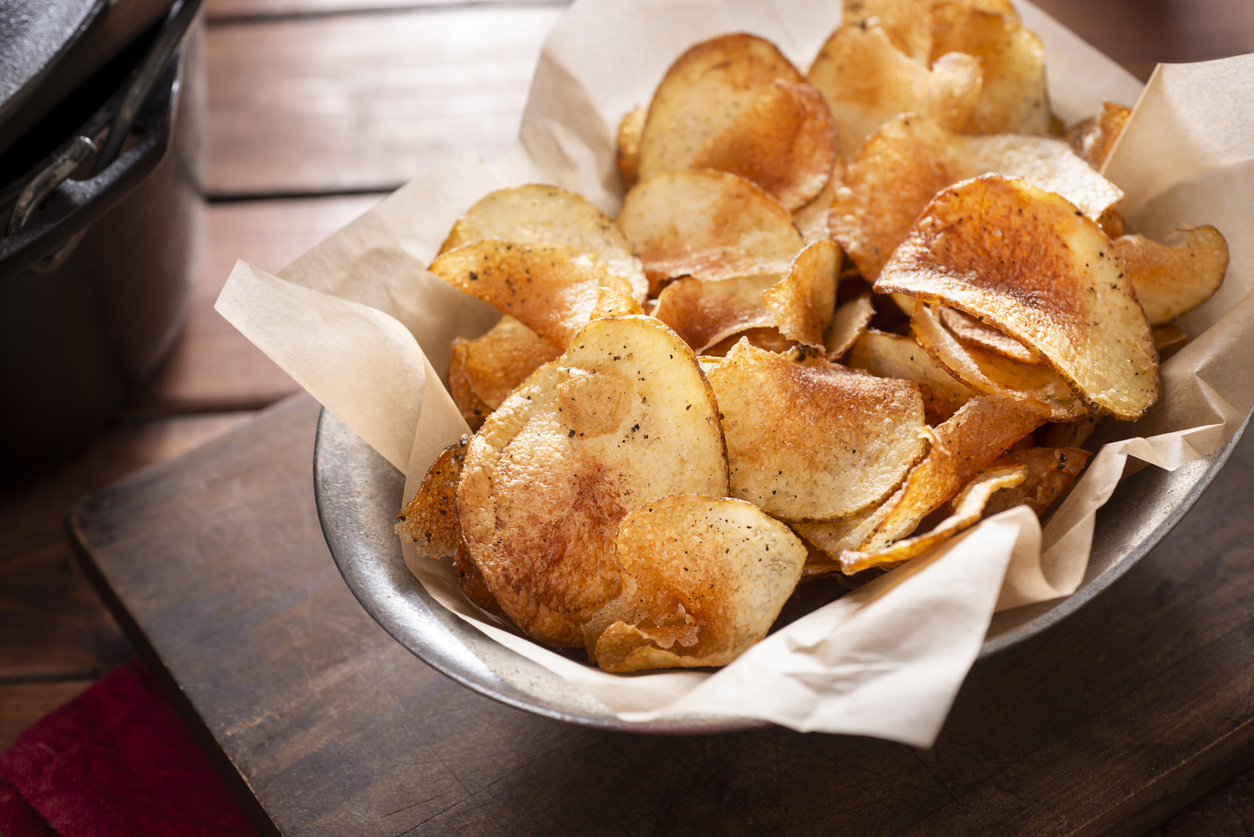
In digging into this, I found that most health publications are starting to hedge their language a little. Many of them are now halfway acknowledging that the term “processed” is too vague and veering toward the phrase “ultra-processed” instead. Some examples:
Not all processed foods are unhealthy, but many ultra-processed foods are high in calories, saturated fat, salt or sugar.
Heavily — or ultra — processed foods have unhealthy ingredients added to make them more appealing or make them last longer.
Already, that’s two separate definitions, so let’s go to the source. As far as I can tell, the operating definition of “ultra-processed” comes from the NOVA food classification system, which came out in 2009 and divides food into four categories:
- Unprocessed or minimally processed foods: Fresh fruits, vegetables, grains, meat, and eggs.
- Processed culinary ingredients: Items like oils, butter, sugar, and salt, typically used to prepare other foods.
- Processed foods: Foods that have undergone some preservation or cooking techniques, such as canned vegetables, cheeses, and freshly baked bread.
- Ultra-processed foods (UPFs): Industrially formulated products with numerous ingredients and additives, such as sodas, chips, instant noodles, and many ready-to-eat packaged foods.
Specifically, the definition goes like this:
Ultra-processed foods are industrial formulations made entirely or mostly from substances extracted from foods (oils, fats, sugar, starch, and proteins), derived from food constituents (hydrogenated fats and modified starch), or synthesized in laboratories from food substrates or other organic sources (flavor enhancers, colors, and several food additives used to make the product hyper-palatable). Manufacturing techniques include extrusion, moulding and preprocessing by frying. Beverages may be ultra-processed. Group 1 foods are a small proportion of, or are even absent from, ultra-processed products.
Ok, now we’re getting somewhere. Ultra-processed foods are made with ingredients you’d never find in a kitchen and often have weird stuff in it like flavor enhancers, colors, emulsifiers, and so on. Ingredients you can’t pronounce, as the colloquial complaint goes, though I also have beef with that (more on that later).
There are a few problems with this. First, despite this definition coming out in 2009, the phrase “ultra processed food” has only caught on in the last couple of years, and just barely:
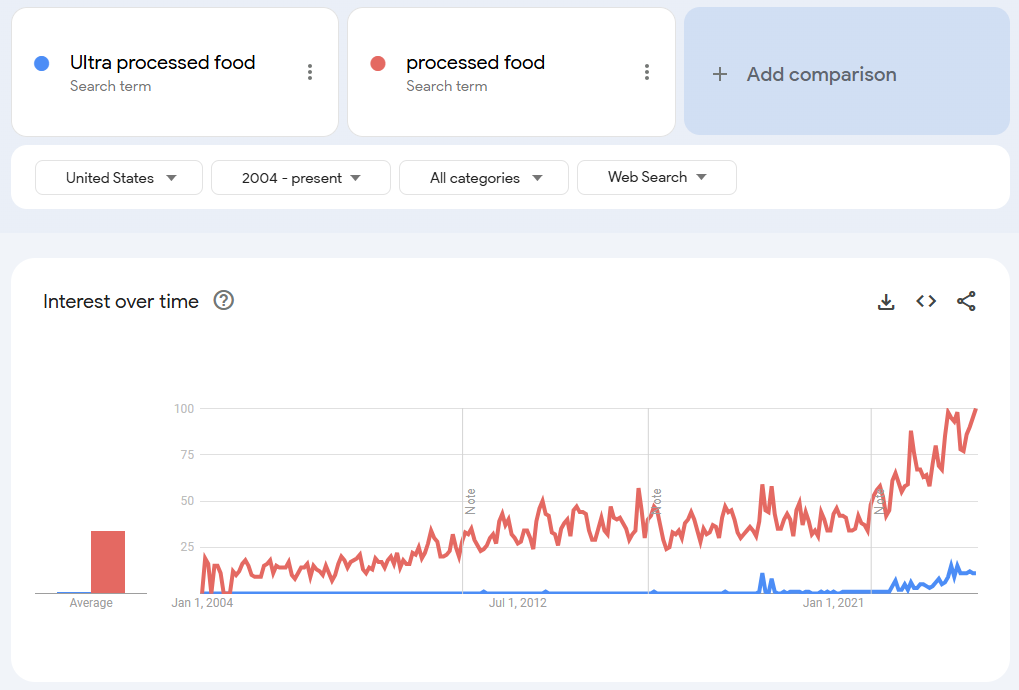
So it can’t exactly claim to be mainstream, nor can we claim that when people use the much vaguer “processed,” what they actually mean is “ultra-processed.”
The second issue is in the examples given in the original source document, which include:
- Fatty, sweet, savory or salty packaged snacks
- Pre-prepared (packaged) meat, fish, and vegetables
- Biscuits (cookies)
- Pre-prepared pizza and pasta dishes
- Ice creams and frozen desserts
- Pre-prepared burgers, hot dogs, sausages
- Chocolates, candies, and confectionery in general
- Pre-prepared poultry and fish ‘nuggets’ and ‘sticks’
- Cola, soda, and other carbonated soft drinks
- Other animal products made from remnants
- ‘Energy’ and sports drinks
- Packaged breads, hamburger and hot dog buns
- Canned, packaged, dehydrated (powdered), and other ‘instant’ soups, noodles, sauces, desserts, drink mixes, and seasonings
- Baked products made with ingredients such as hydrogenated vegetable fat, sugar, yeast, whey, emulsifiers, and other additives
- Sweetened and flavored yogurts, including fruit yogurts
- Breakfast cereals and bars
- Dairy drinks, including chocolate milk
- Infant formulas & drinks, and meal replacement shakes (e.g., ‘Slim Fast’)
- Sweetened juices
- Pastries, cakes, and cake mixes
- Margarines and spreads
- Distilled alcoholic beverages such as whisky, gin, rum, vodka, etc.
Most of these don’t even meet NOVA’s own definition. If we’re specifically concerned about the weird, non-kitchen, laboratory-synthesized ingredients that are put in some versions of some of these foods, then that distinction needs to be clear.
Cheese and ice cream and potato chips and sausages might not be healthy, but they’re certainly not ultra-processed either. Sweetened juices are just fruit and sugar, both as natural as they come. And distilled alcohol? Sure, there’s a lot of “processing” in the literal sense that goes into the distillation process, but there is nothing industrial about a technique that goes back as much as 4,000 years.
What is RFK, Jr. talking about?

So if no one seems to have a functional definition of a “processed” or even an “ultra-processed” food, including the people who came up with the term, then what exactly is Brain Worms McGee’s plan? How do you legislate a category that can’t be defined?
Well, as you will be shocked to learn, he doesn’t have a plan. He has, as his new boss might say, a concept of a plan.
We have a generation of kids who are swimming around in a toxic soup right now. We’re letting these industries corrupt our agencies and mass poison them.
That’s too vague to mean anything.
This article from Fox mentions food dyes, and specifically Red Dye No. 3, because it’s been associated with cancer in animals and hyperactivity in children.
This article from NBC says that Kennedy’s ideas about food are “great” and “commendable,” but doesn’t mention a single one of them in detail except, again, Red Dye No. 3.
This one from the New York Times also doesn’t mention a single policy position except general hand-waving about making things better and more transparent, Kennedy’s blatantly incorrect stances on seed oils, and also Red Dye No. 3.
So is that it? Is Red Dye No. 3 the only thing he actually has a crusade against? Is the phrase “processed food” just a shortcut for Red Dye No. 3? If that’s the case, and that’s the main thing that he wants to get rid of, then just say that. We’ve done it before with trans fats.
The trans fat saga
Trans fats are a particular variety of saturated fat, and they’ve been put in foods for decades because they were cheap, shelf-stable, solid at room temperature, and made foods with great texture like crispy fried things and creamy spreads.
They were also bad for you, being linked to an increase in LDL cholesterol, heart disease, stroke, and Type 2 Diabetes. The WHO estimates that trans fats lead to half a million premature deaths a year, and in 2018, they launched a campaign to ban them globally. Dozens of countries have signed on to eliminate trans fats from their foods, including the US, in which they’re mostly phased out.
There are plenty of ingredients in some foods that are probably best to avoid, and not all of them are illegal already. The wheels of government turn slowly, and the FDA demands a pretty high standard of evidence before outright banning ingredients. Right now, California has already passed a ban (effective 2027) banning brominated vegetable oil, potassium bromate, propylparaben, and Red Dye No. 3, and other states are following suit.
The conflation of “processed” and “unhealthy”
But that’s not what most people are talking about. Most people are talking about how it’s important to avoid processed food, and there’s no coherent definition of what that means. Even when you dig in, they won’t say “foods with BVO in them,” though most of those probably qualify on most lists. Let’s take a closer look at why processed foods are supposed to be bad for you.
Ultra-processed foods often contain high levels of saturated fat, salt and sugar and when we eat them, we leave less room in our diets for more nutritious foods
The British Heart Foundation
Not all processed foods are unhealthy, but many ultra-processed foods are high in calories, saturated fat, salt or sugar.
NHS
Eating too many calories, too much saturated fat, salt and sugar, and not enough fruit and vegetables and fibre is not good for you.
A review, published in the British Medical Journal (BMJ) in 2024, looked at 45 studies involving almost 10 million participants. The review authors suggest that eating more ultraprocessed foods is linked to a higher risk of dying from any cause and has ties to 32 health conditions, including heart disease, mental health disorders, type 2 diabetes, and other problems
Yale Medicine
Chemically processed foods, also called ultra-processed foods, tend to be high in sugar, artificial ingredients, refined carbohydrates, and trans fats. Because of this, they are a major contributor to obesity and illness around the world.
Medical News Today
I feel like I’m repeating myself, which is entirely possible since I’m a bit rusty at this, but again…none of these things are related to ultra-processing. I’ll give you an example.
Option one. A chef makes you the finest home-cooked spaghetti carbonara.
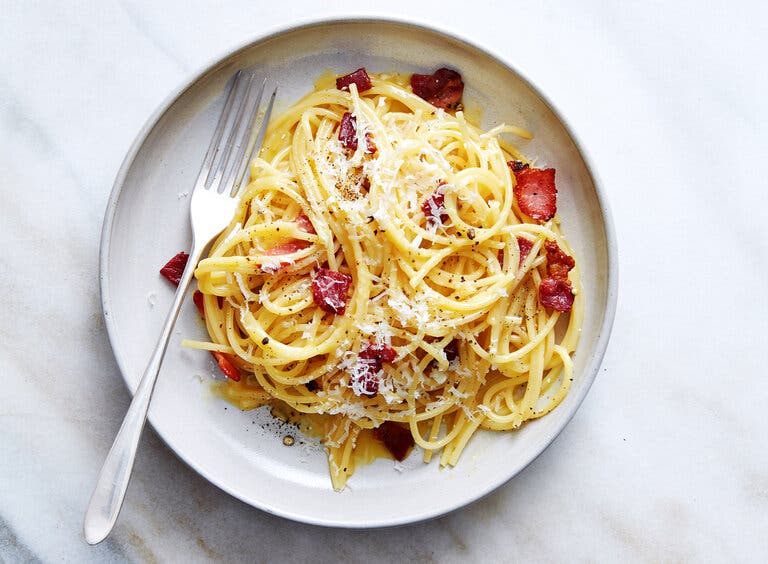
The eggs are sourced from hens that dine exclusively on heirloom grains and are sung to sleep every night by exquisite boys. The guanciale and pancetta are cut from pigs who volunteer themselves to be butchered, then cured in the ancient caves of Norcia. Pecorino Romano and Parmigiano Reggiano are freshly shaved from wheels aged to crystalline perfection, each crumb imbued with umami dreams.
For the pasta, a bespoke durum wheat blend is kneaded by hand, pressed through bronze dies to impart a rough, sauce-embracing texture, then dried under the Tuscan sun. The black pepper? Not just any pepper, but the rarest Tellicherry pearls, toasted to awaken their fragrant oils.
The pasta is boiled in the purest water from the mineral springs of the Dolomites. The sauce is mixed, heated, and emulsified in copper cookware hand-hammered at the hands of smiths who can trace their lineage to Vulcanus himself. And the end result?
700 calories of simple carbs, saturated fat, and roughly a full day’s allowance of sodium. The fact is, carbs are carbs and pork fat is pork fat and cheese is cheese and salt is salt, no matter how delicately hand-prepared they are. You could put all of these ingredients on an industrial food production line and freeze it and they would be the same calorie-dense macronutrients as they would be from the finest restaurant in the world.
There’s no such thing as a fish
If you haven’t heard this adage before, allow me to enlighten you. “There’s no such thing as a fish” is an intentionally provocative way of pointing out the inherent flaws scientists face when attempting to classify organisms. Fish are a particularly salient example.
For starters, not everything that looks like a fish is related to other things that look like a fish. You can lump together “fish” as you likely picture them — fins, scales, gills, etc. — into one category, but they are not descended from the same common ancestors.
Salmon and sharks both get called fish colloquially, but sharks are more closely related to rays than they are to salmon. Lungfish look like fish but are actually more closely related to humans than they are to sharks.
Of course, you can go far back enough that there is one common ancestor, but you can’t call everything in that branch of the family tree a fish because it includes all other vertebrates too: reptiles, amphibians, birds, and mammals.

Or to simplify even further: you can’t make a definition of a fish based on genetics without excluding things that also look like fish, and you can’t make a definition of fish based on things that look like fish without excluding things that are closely related to things that look like fish but do not themselves look like fish.
This is the problem we now face with ultra/processed foods and health (see, I was going somewhere).
You can’t just say that ultraprocessed foods should be avoided because they use lab-synthesized ingredients and dyes and preservatives and so on, because there are lots of things that fit that category but are objectively no less healthy than any other food. Baby formula springs to mind. Those meal replacement shakes like Huel and Soylent. Sports nutrition. And so on.
And you can’t just say that ultraprocessed foods should be avoided because they’re high in saturated fat or salt or sugar because first, that’s not inherently true, and second, there are a lot of other foods that are not ultraprocessed and are still high in saturated fat, salt, or sugar. Butter, cheese, pasta, beef, honey, maple syrup, and so on, and so on.
These things are bad for you in all the ways that saturated fat and salt and sugar are bad for you (which is to say, in large quantities) and they’re not processed at all. Even things that are minimally processed, like doughnuts (milk, eggs, flour, butter, lard) or potato chips (potatoes, salt, fat) or bacon (bacon) can be really unhealthy despite having nothing to do with the NOVA definition of processed foods.
The bottom line
Yep, 3,000 words later, it just comes down to ingredients. There’s no such thing as a processed food, just like there’s no such thing as a fish. If a food you’re eating has a lot of salt in it, then it’s just as unhealthy (debatable, by the way) if the salt is artisan Himalayan pink salt or whatever the fuck as if it’s industrial laboratory salt, whatever that would look like. If too much fat is bad, then too much fat is bad.
And if there are exceptions — if certain kinds of fat are worse than others, for example — then regulate those. Ban trans fats. Ban brominated vegetable oil. Ban artificial coloring, if the science indicates you should.
I’m all for regulating what food manufacturers are allowed to use in food (not a very small-government viewpoint from the Republicans but that’s another debate), especially if those ingredients are unhealthy and can be shown to be so.
But attempting to use “processed” or “ultraprocessed” as an umbrella term for unhealthy food that should be avoided is a flawed project and a fool’s errand, because it isn’t.


 UNREASONABLY DANGEROUS ONION RINGS
Leave a comment